
两天的行程,一生的第一次
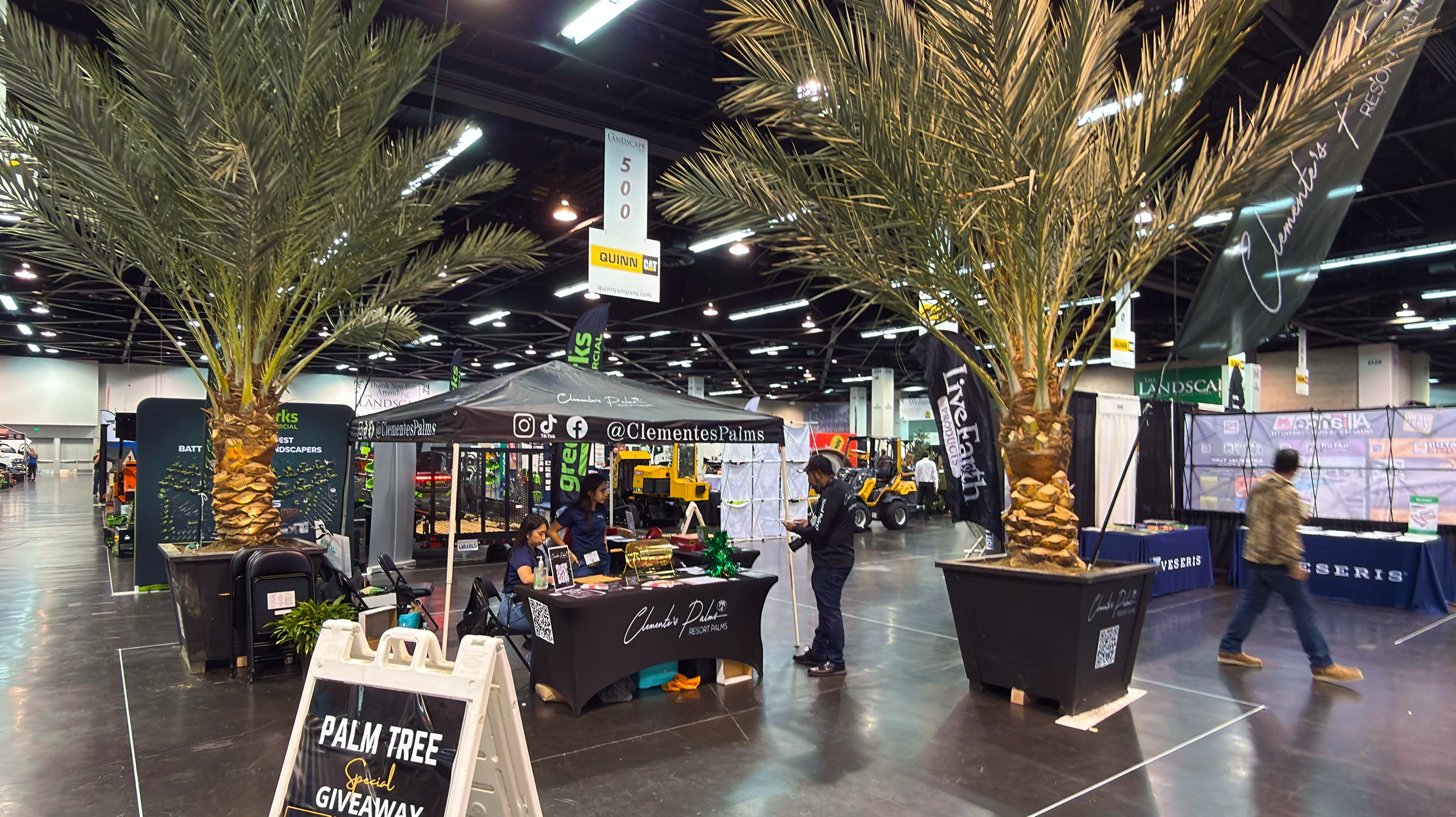
一个新人的第一次展会,第一次犯错,也第一次赢得掌声。
Steve 加入 TORCHSTAR 的第三周,收到了出差通知:跟随资深客户经理 Justin,前往洛杉矶,参加一场户外照明行业的年度展会。
产品资料他看过无数遍,客户类型也背得滚瓜烂熟。但早上六点半,真正踏上展厅地毯的那一刻,他意识到:准备再多,也不如现场真实。
布展现场比他想象得更快、更密集。每一个展位都在高速运转。搭建、布线、整理样品、核对数据,每个人都知道自己该干什么。Steve 愣在原地,脑子里只有一个念头:“我是不是会拖后腿?”
“Steve。” 是 Justin,语气很平稳。
“别管太多。你手上有 list,对吧?从你最确定能完成的一项开始,十分钟能搞定的那种。做完一件,再抬头看下一件。”
他点点头,依旧紧张。
Justin 笑了笑,“二十年前我刚进行业的时候,也是一头雾水。那时候,有个前辈也是这么跟我说的。”
Steve 低下头,从铺设宣传册开始。然后是锁紧展品、接电、准备备用电源……每完成一项,他的手就更稳一点.
第二天,他已经能独立接待来访客户。专注聆听、认真记录。下午,一个来自圣地亚哥的承包商停留了十几分钟,Steve 给了他产品资料,并留下了联系方式。
当晚,Justin 拍拍他:“这就是你的第一个 lead。”
三天后,Steve 打算发送跟进邮件。结果不小心提前点了发送键:邮件主题没写、附件没加、正文只打了一句话。 他盯着屏幕发呆,一上午都没说话。
Justin 发现了。
“客户要的是价值,不是完美。” 他说,“你浪费了他一分钟,就得想办法赢回那一分钟。”
“犯错不丢人。让错误再发生,才丢人。”
那天晚上,Steve 重写了邮件。加上完整附件、补足说明,简短但清晰地表达了歉意。 第二天收到回复,一周后,订单成交。
那是他入职以来的第一个订单。
今天的 Steve,已经是客户经理团队中的中坚力量。他和 Justin 配合默契,不再需要太多语言,眼神就能传递下一个动作。
几个月后,展会上又来了一位新人,在展位旁边显得有点无措。 Steve 走过去,拍拍他肩膀: “别想太多,找个你能立刻完成的小任务。先做它。你会找到节奏的。”
What a BD Newcomer Learned by Showing Up, Failing Forward, and Closing His First Deal
Steve had only been at TORCHSTAR for three weeks when he was asked to fly to LA for the annual Outdoor Landscape Lighting Trade Show — shadowing Justin, a veteran B2B account manager.
He’d read every product brief, memorized the talking points, reviewed the customer segments. But none of that prepared him for what the trade floor looked like at 6:30 AM.
Every booth was buzzing. Crews rolled in lighting gear. Boxes opened like clockwork. Zip ties flew. Everyone had a role. Everyone moved with purpose. Steve froze for a second — unsure where to stand, what to say, what not to mess up.
“Steve.”
It was Justin, calm as always.
“Grab your list. Pick one thing that feels doable — maybe something you can finish in ten minutes. Start there. Do it well. Then look up and do the next thing.”
Still uneasy, Steve nodded.
Justin smiled. “When I started out, someone gave me that exact advice. I was just as lost. You’ll be fine.”
That broke the tension.
Steve started with the smallest thing: laying out the brochures. Then tightening screws on a few demo lights. Then organizing the backup chargers. Bit by bit, he began to find rhythm — not confidence yet, but motion. And motion helped.
By Day 2, he was manning one side of the booth. Smiling. Asking the right questions. Listening more than talking.
That afternoon, a contractor from San Diego stopped by. They talked for ten minutes. Steve noted the specs, passed it to Justin.
Later that night, Justin nudged him: “That’s a lead. Well done.”
Three days later, Steve sent a follow-up. Or rather — hit Send by mistake on an unfinished email: no subject, no attachments, a half-written sentence at the top.
He stared at the screen, stunned.
He imagined the client rolling their eyes, deleting the email, blacklisting the name. He didn’t talk for the rest of the morning.
Justin noticed.
“Here’s the thing,” he said. “The good clients? They’re not looking for perfect grammar. They’re looking for value. You wasted one minute of his time. Earn it back. That’s it.”
Then he added, “Figure out how to not let that kind of thing happen again. Not by panicking — by changing your setup.”
That night, Steve rewrote the email. Attached the spec sheet. Included a couple of optional ideas. Added a short, clear apology.
Pressed Send. This time, intentionally.
The next morning: reply.
One week later: closed order.
It wasn’t the biggest deal. But it was his first — the kind where nothing was perfect, but everything mattered.
Today, Steve is a full-time BD associate. He and Justin share clients now. They move fast, plan tighter, talk less — the kind of rhythm that only comes from trust.
And the next time Steve saw a newcomer freeze at the edge of a booth, he walked over and said,
“Start with something small. Something you know you can do. The rest will follow.”
