
两个办公室,一条光路
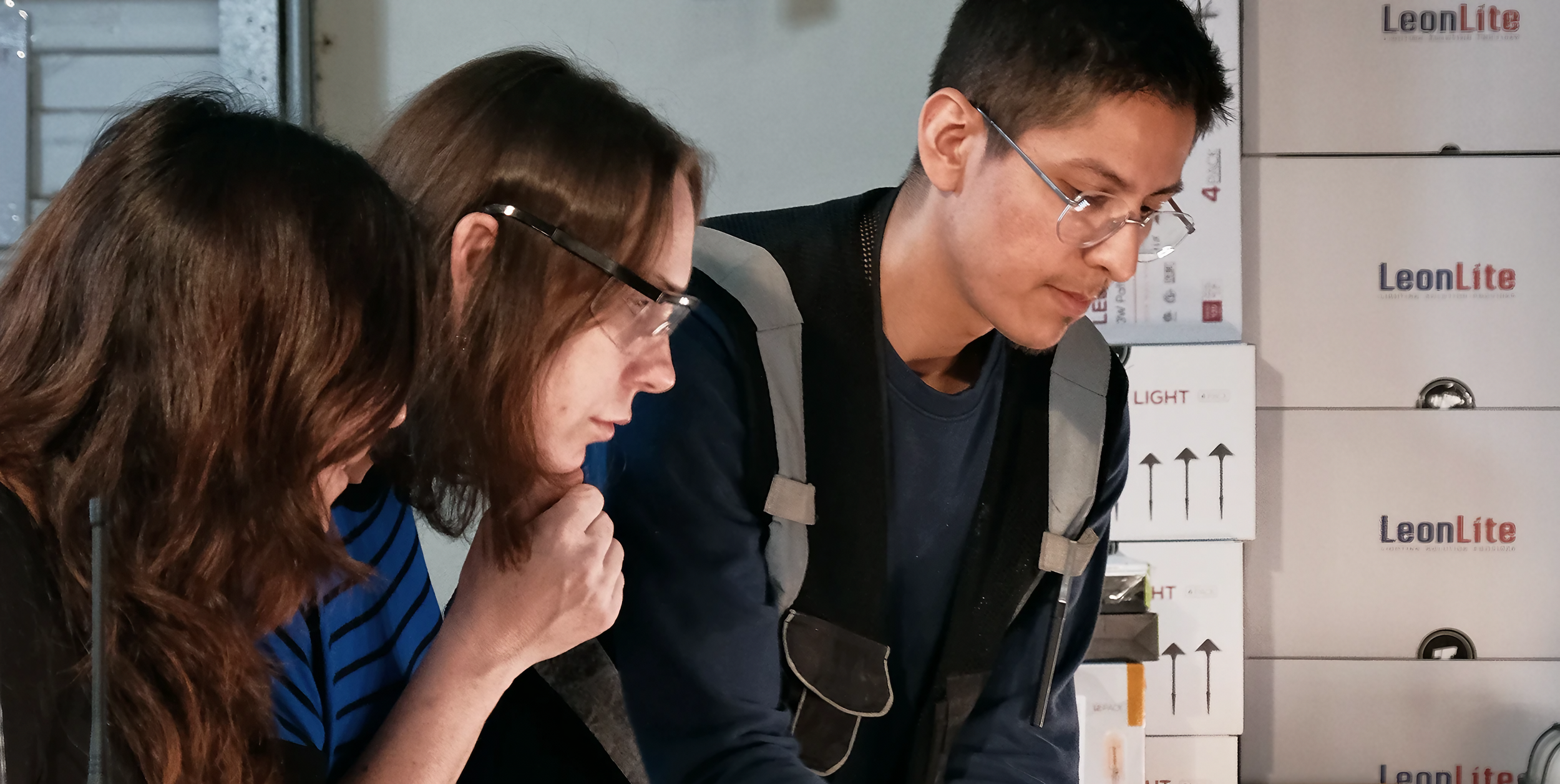
LA Warehouse leader working on a product trouble-shooting & training session.
最初我们并不意外,一款户外灯具偶尔出现售后请求,是常有的事。但同一个客户、同一款灯,短时间内第四次申请更换时,我们知道背后一定有故事。
美国客服团队拨通了客户的电话。他很客气,也很疑惑:“你们服务一直很好,每次都很快补发。但这灯总是撑不过几个月。”
我们提出,能不能视频看看他的安装环境。五分钟后,谜底揭晓。
镜头里是一条石板路,通向一栋临海的白色别墅。远处,波光粼粼的海面就在眼前。木质栏杆的缝隙中,堆积着细小的白色盐结晶。就连户外家具上,也有一层不易察觉的白色痕迹。
这不是普通的户外环境,这是——靠海生活。
返修件寄回中国,技术员一一拆解。灯具外壳完好无损,但内部的焊点处,出现了明显的锈蚀痕迹。不是设计的问题,而是盐分加速了密封橡胶的老化,一旦老化,密封便失效,水汽趁虚而入。
我们决定重写“密封”的定义。 从结构角度优化压缩方式,从材料层面考虑橡胶老化后的性能变化。
新的设计,不依赖完美的橡胶状态,也能保持密封。 新灯寄出之后,客户再没来信——这一次,是因为一切正常。
—— 这不是一次简单的售后处理。 而是一场从真实环境中汲取经验的产品进化。
我们始终相信,光不仅要照亮当下,更要经得起时间和风。
The first replacement didn’t surprise us. Even the second didn’t raise alarms. But by the fourth warranty request — for the same model of landscape pathlight — we knew this wasn’t routine.
Our US support team flagged the case. “Same customer, same model, same corrosion.” The photos showed rust-colored streaks around the LED pin welds. For a product that routinely passed weather-resistance testing and had one of the lowest failure rates in our lineup, this was unexpected.
Rather than just ship another replacement, our team picked up the phone.
The customer was kind, cooperative — and just as puzzled. “You guys have been great,” he said. “Fast support, no complaints there. But the lights keep dying. I don’t know what else I can do.”
We asked to see the installation. A few minutes later, via Facetime, it all came into focus.
The camera panned across a stone walkway stretching out from a white vacation house. In the distance: open water. “That’s the Gulf,” he said. “We’re right on the beach.”
Everywhere we looked, the air spoke of salt: a fine white dust on the wooden railings, small salt crystals packed between slats, even the outdoor furniture — while clean — bore a quiet, patchy bloom of white residue. Beautiful home. Brutal conditions.
Back in Shenzhen, our technician began disassembling the returned units. We found exactly what the customer photos had hinted at — internal corrosion, starting at the weld joints. The rubber seals had not failed by rupture or poor fit — they had simply aged fast. Prolonged exposure to salt-rich humidity had accelerated the degradation of the rubber, making it brittle and porous in just months.
It wasn’t a flaw in assembly. It was an environmental mismatch.
So we rethought the seal — from the inside out.
Our engineers collaborated across structure and materials. The new design didn't just rely on rubber’s initial flexibility; it accounted for its aging curve. With mechanical interlocks and revised compression geometry, the sealing structure maintained integrity even as the rubber changed over time.
The new units were shipped. No replacements have been requested since.
This wasn’t just another support ticket. It was a lesson in reality-driven engineering.
At TORCHSTAR, we don’t just design for standard use.
We build for how people truly live — even when that means standing up to the sea.
